
Your name, on something you keep
A Chinese name is a design, not just a label. These are the objects people actually put one on — and what each object demands of the characters you chose.
Every carrier below is judged by the same test: can the character still be read at that size? That is why a seal page and a scroll page recommend different names from the same library.
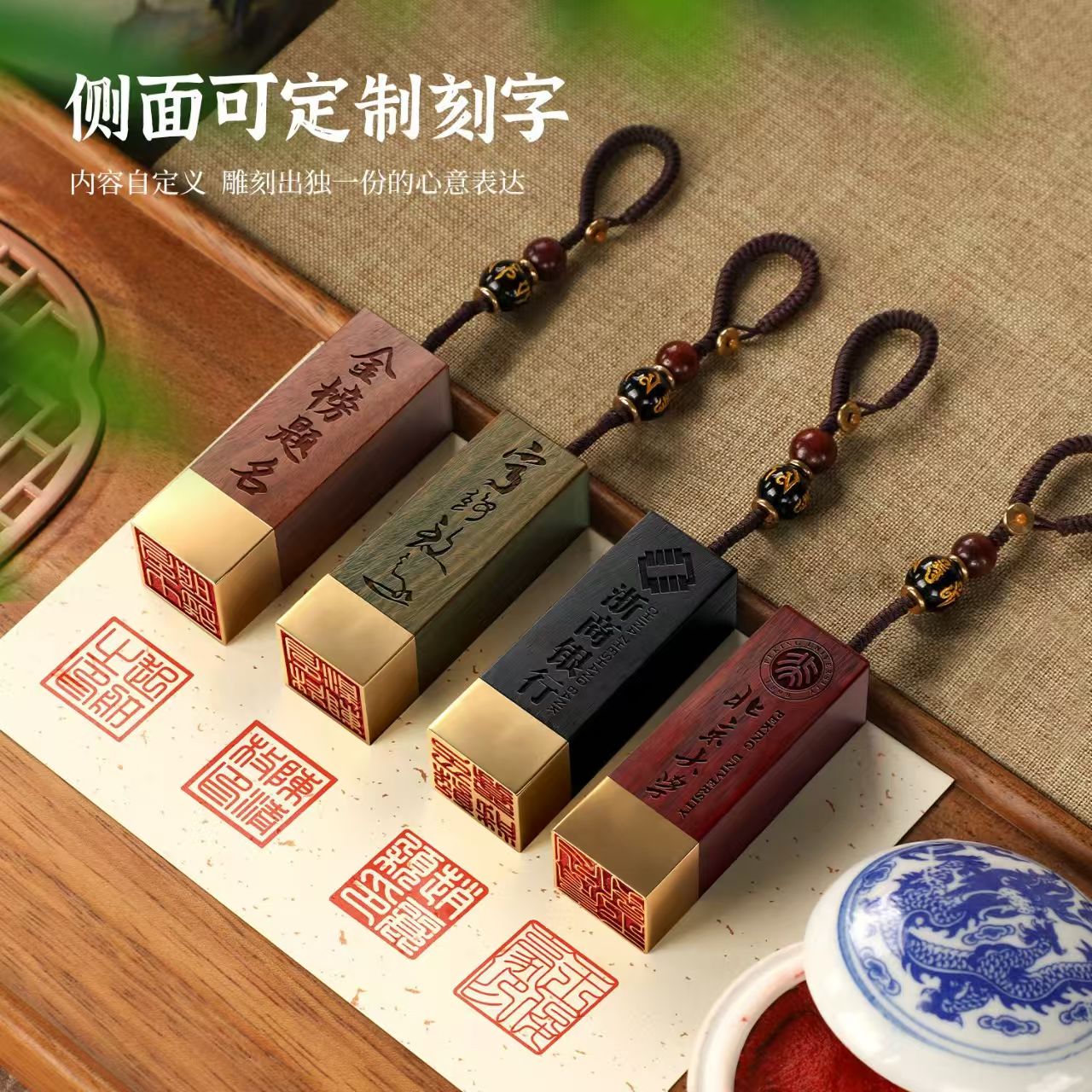
Name seal
Two characters at ten strokes or fewer still read at stamp size. Anything denser needs a bigger stone, not a different name.
Read the guide →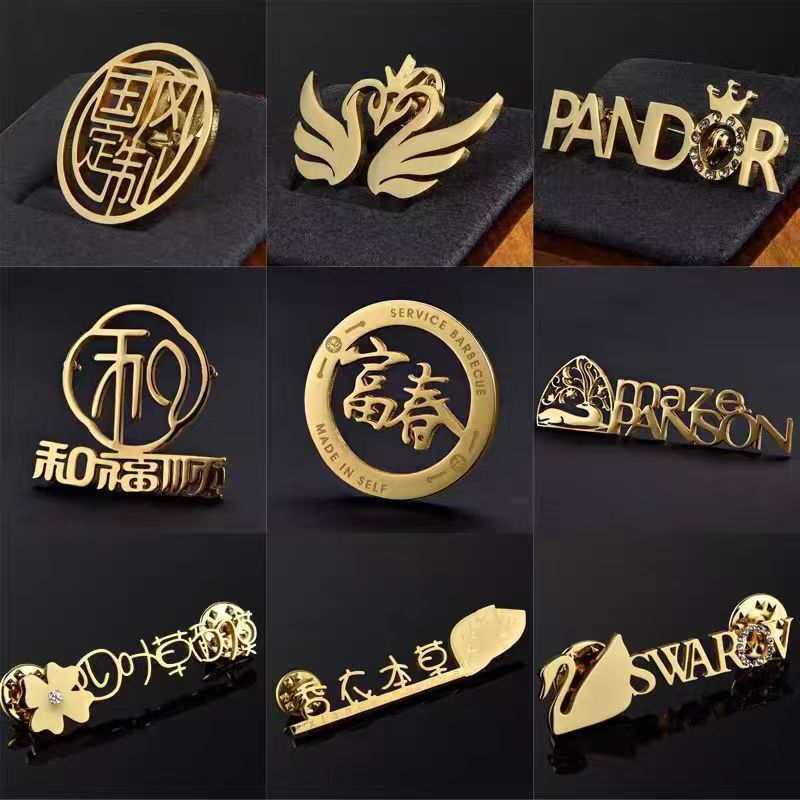
Pendant
One well-chosen character reads better than a crowded full name, because a pendant is read at arm’s length.
Read the guide →
Tea set
A cup wall gives two characters room, and a hand-thrown body takes dense strokes a seal would smudge.
Read the guide →
Scroll and paper
Paper is the one carrier with no size limit, so a 20-stroke character finally has room to be itself.
Read the guide →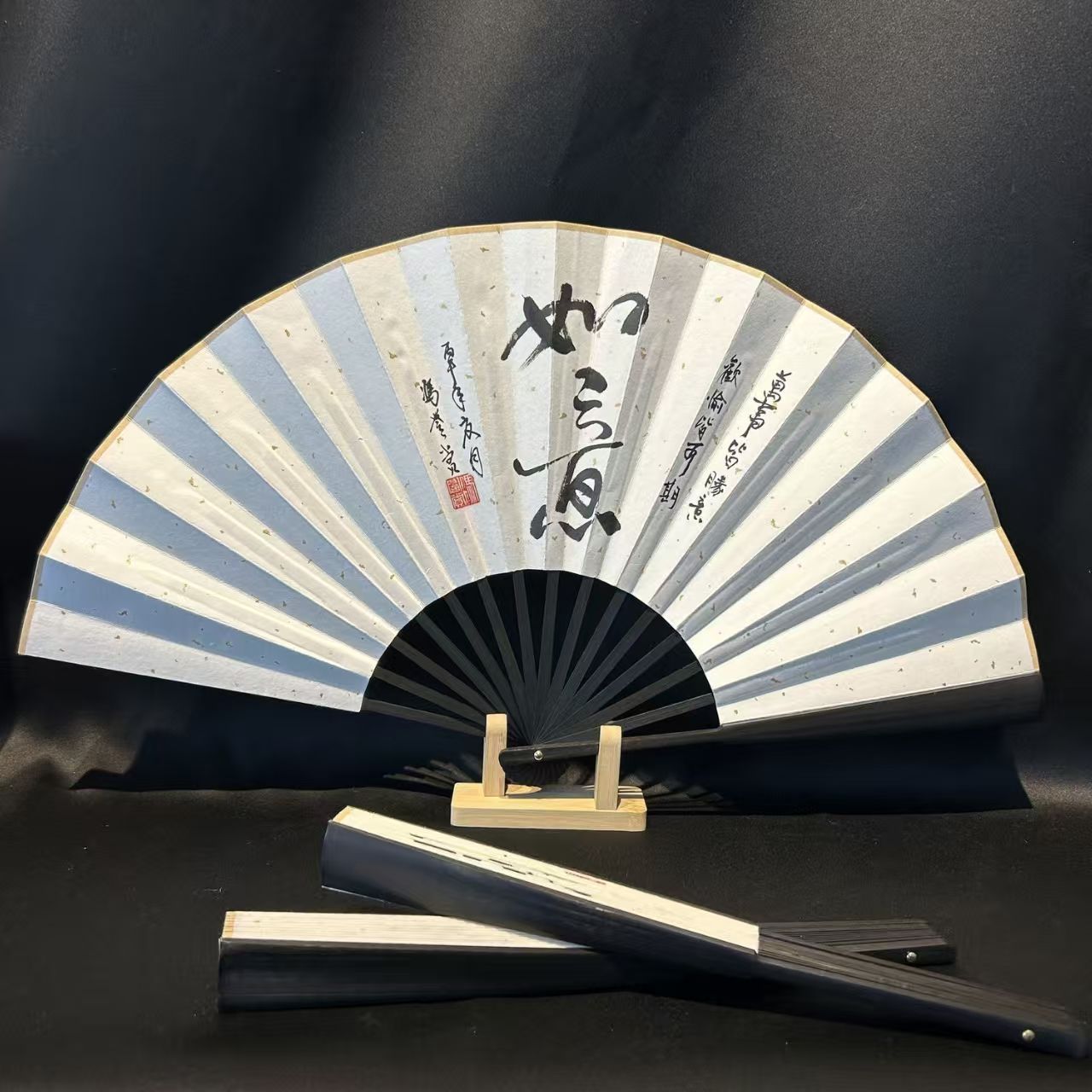
Folding fan
A fan gives the name height along the arc instead of width, which is what a long vertical column needs.
Read the guide →
Mug and bottle
Print and engraving age differently on something used every day, and thin horizontal strokes go first.
Read the guide →
Apparel
Fabric takes three characters across a chest, but thread moves in fixed directions and bends the diagonals.
Read the guide →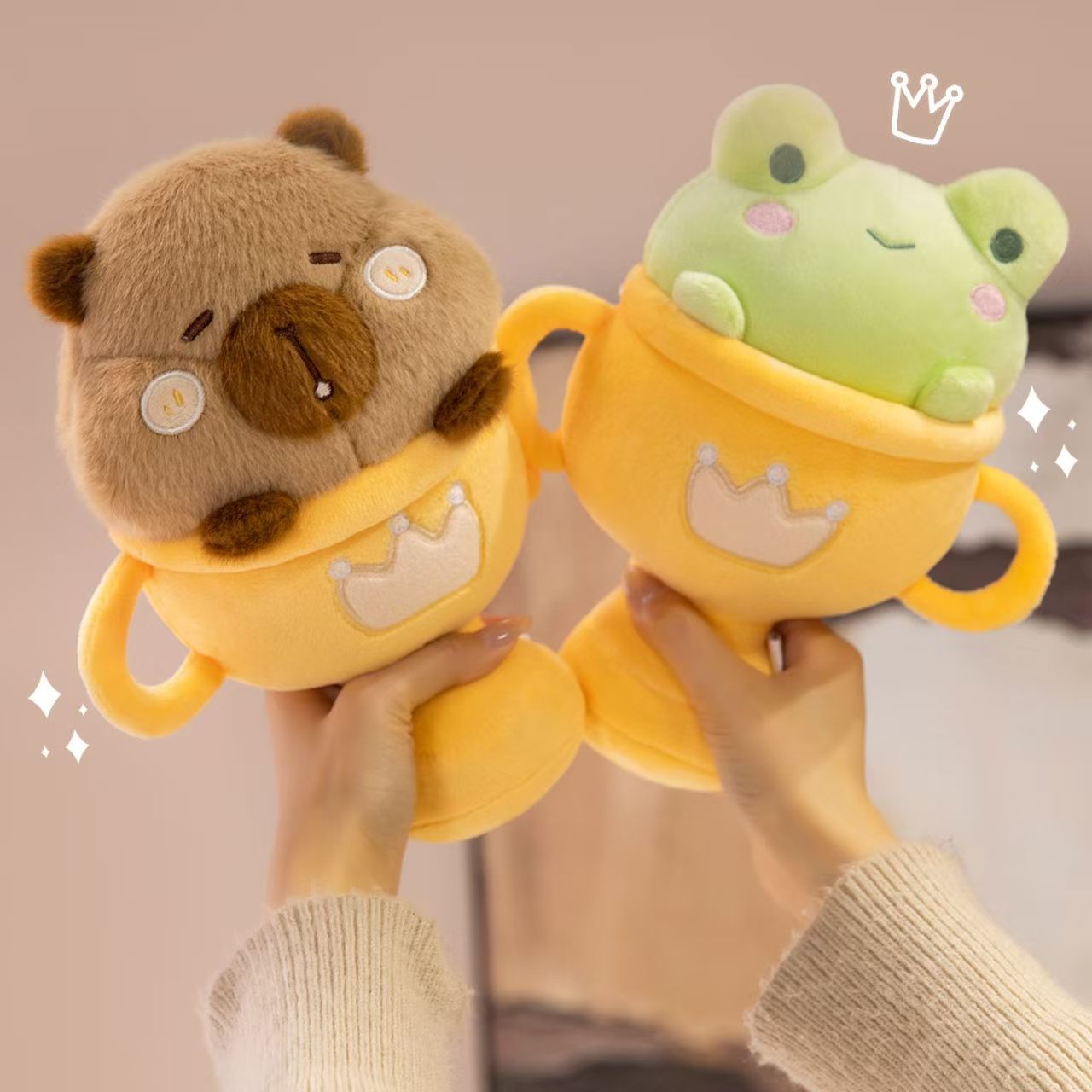
Plush toy
One character stitched large on a flat panel survives a soft body; a full name sewn small does not.
Read the guide →
Display base
The base is read at a glance from above, so the inscription stays short and the plate stays small.
Read the guide →Start from what you have
If you have not chosen a name yet, generate one first — every page here assumes you already know which characters you want worked into the object.
Generate your Chinese nameOn choosing a carrier
The seal is the oldest and the most Chinese of these: a carved stamp that turns a name into a signature. It is also the least forgiving, because a stone the size of a thumbnail has to hold the whole name.
The pendant, the fan and the scroll each buy back room in a different direction — depth on a neck, height on a leaf, area on paper. That is the whole trade-off, and it is why this site sorts carriers by how many strokes they tolerate rather than by price.
Nothing here is sold directly. These pages describe what works and what does not; the enquiry form on each one puts you in touch about a specific piece.